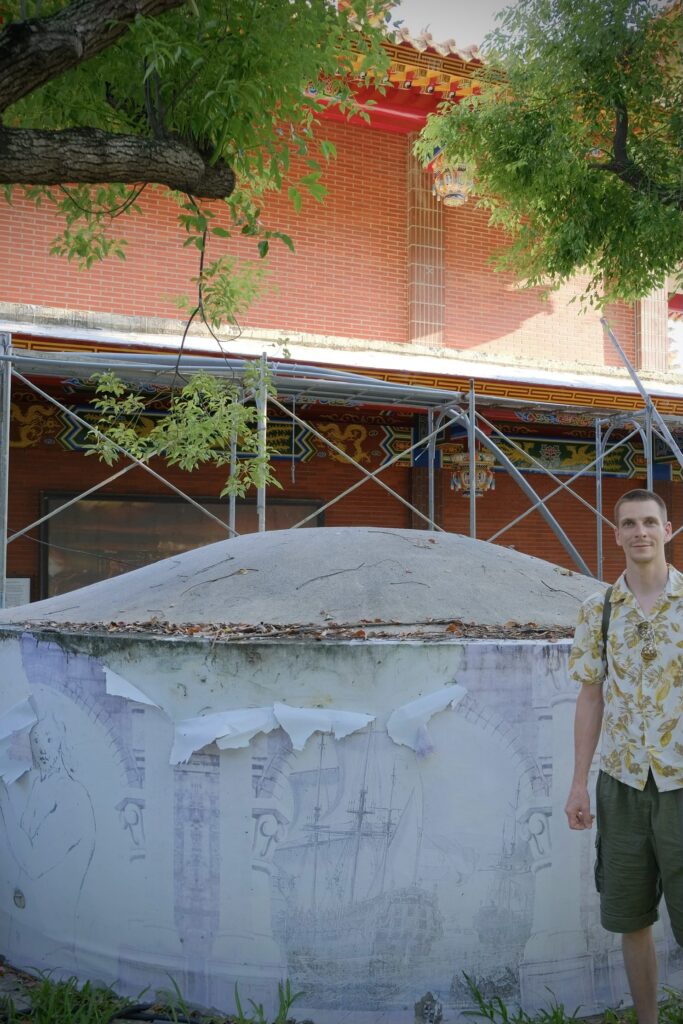
The 400-Year Bond: Discovering the Shared History of the Netherlands and Taiwan
3 April 2026
Kunji TW&NL history review
Kunji TW&NL history review?
Understanding the shared history between the Netherlands and this Island adds flavors to the journey. Though the Dutch presence lasted less than 40 years, it left meaningful cultural and historical imprint in Taiwan.
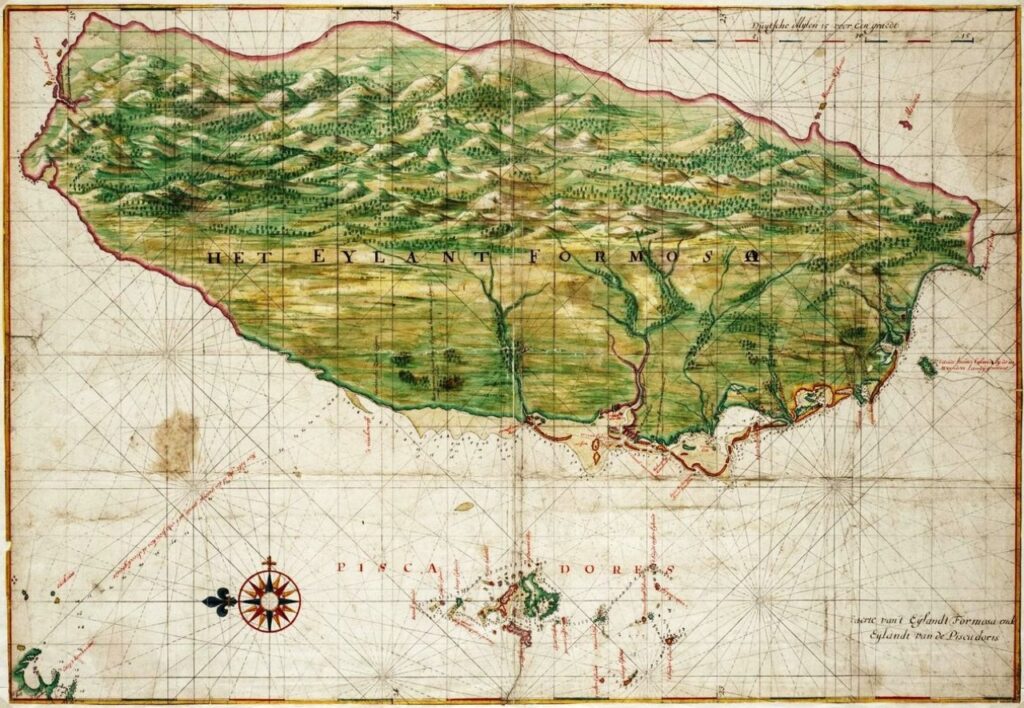
Impressed by the island’s natural beauty, Portuguese (yes, not Dutch) sailors named it: ilha Formosa, a name that soon spread throughout European maps and literature. This labeling set the stage for the later interest of the curious Dutch.
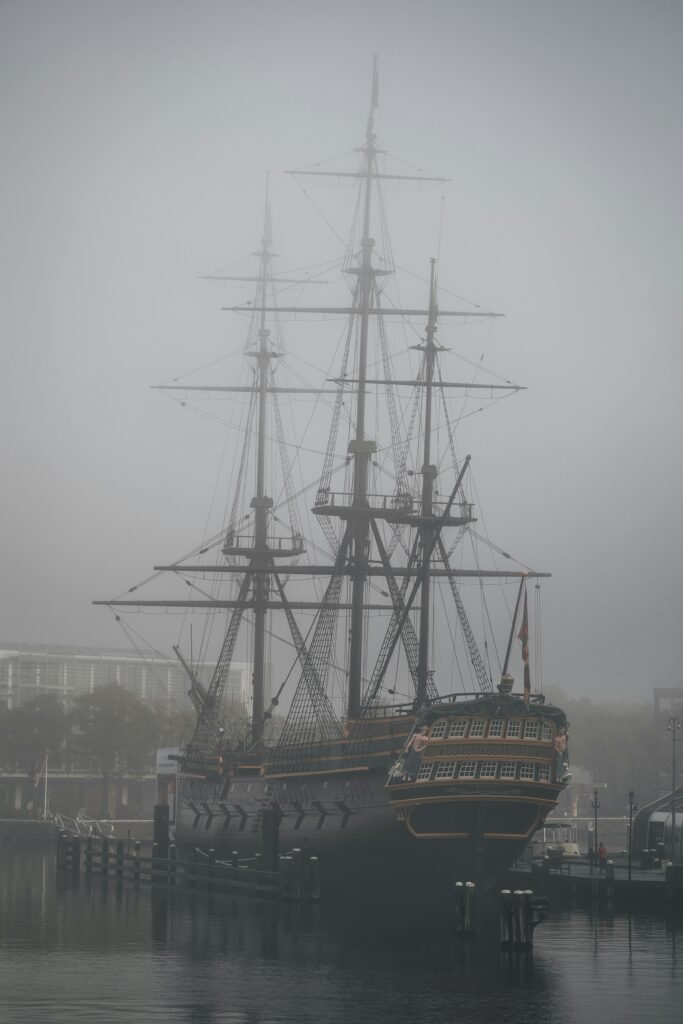
As always, VOC entered the picture in 1624, establishing colony known as Dutch Formosa, a perfect hub for VOC’s ambitions in East Asia. VOC envisioned Taiwan as a trading platform as well as military base to challenge rival colonial powers.
So what’s actually in there? The Dutch built administrative center at Fort Zeelandia (now in Anping , Tainan), the most iconic symbol of the era. Relations with local group were varied: negotiation, cooperation, and armed conflict, reflecting the cultural difference (Yes, TWs don’t choose sandwich as lunch). One of the most significant aspects is the work of missionaries. Without google translate, Dutch missionaries translate Christian teaching into local language, the earliest records of Indigenous Formosan language.
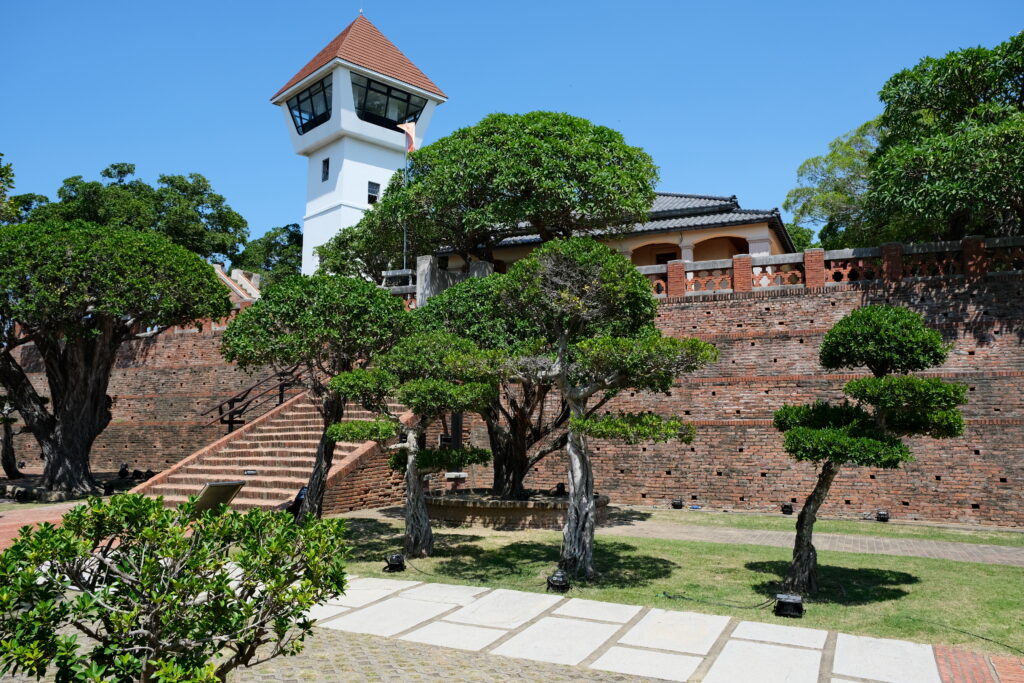
The era of cheese and sandwich came to the abrupt end in 1661 when Ming Loyalist leader Zheng Chenggong seized the control of Taiwan after a prolonged siege at Fort Zeelandia.
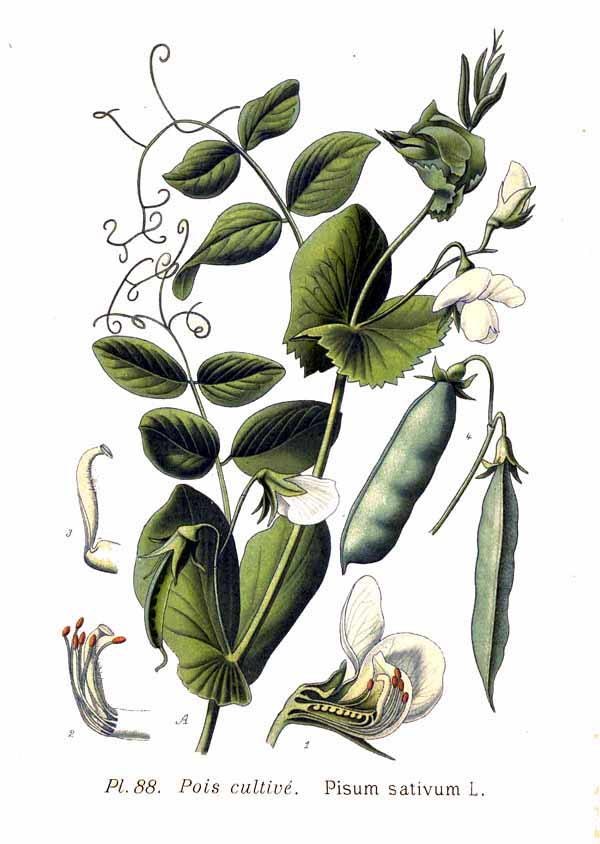
The Dutch influence also lives in daily language, food , and farming practices. Peas were introduced by Dutch and remain visible in Taiwanese cuisine today under the name of “Dutch Beans” (荷蘭豆). Taiwan’s beloved mangoes are not native to the islands but most likely introduced by Dutch via Indonesia. This kind of mangoes became what locals now call “Native Mango” (土芒果), the genetic foundation for world’s famous Taiwanese mango varieties.
In recent years, Taiwan and Netherlands have revisited this shared past, particularly in 2024, which marked the 400-year anniversary of the Dutch arrival in Taiwan. This milestone has inspired collaborations, exhibitions, networks, public events along the long arc of Taiwan-Dutch interactions.
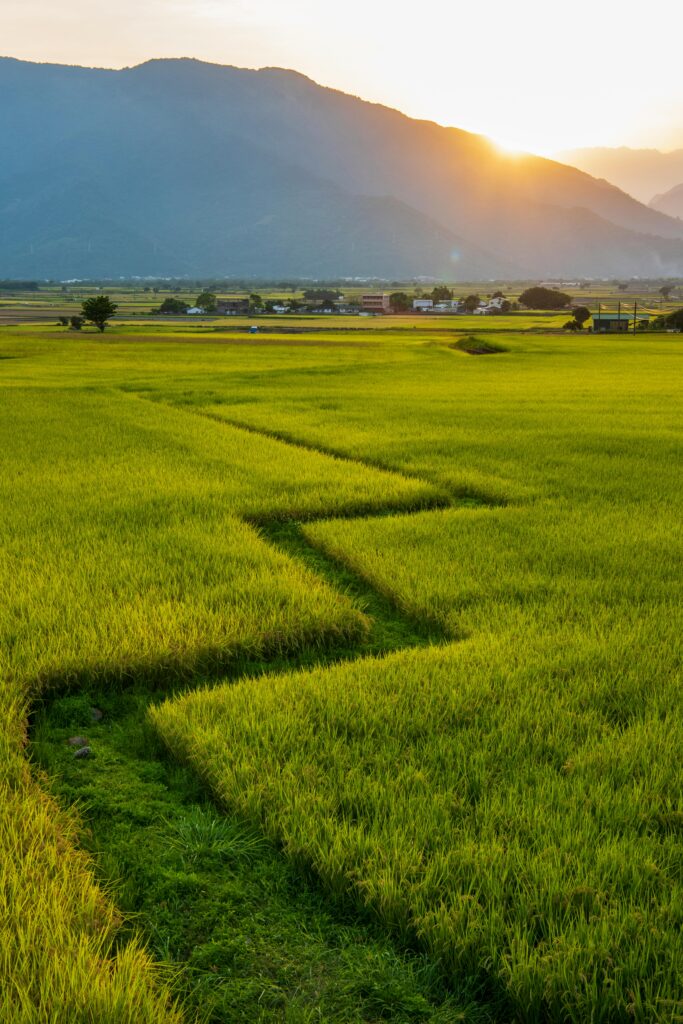
One of the most fascinating legacies is the linguistic rather than botanical. The Taiwanese land-area unit “ka” (甲), still widely used today, is believed to derive from “Akker” in Dutch, meaning “farmland” or “field”. One Jia (甲, akker) equals about 6700 m2 and this system also survives in South Africa, another Dutch VOC territory! This created an interesting connections among three places far apart.
In recent years, Taiwan and Netherlands have revisited this shared past, particularly in 2024, which marked the 400-year anniversary of the Dutch arrival in Taiwan. This milestone has inspired collaborations, exhibitions, networks, public events along the long arc of Taiwan-Dutch interactions.
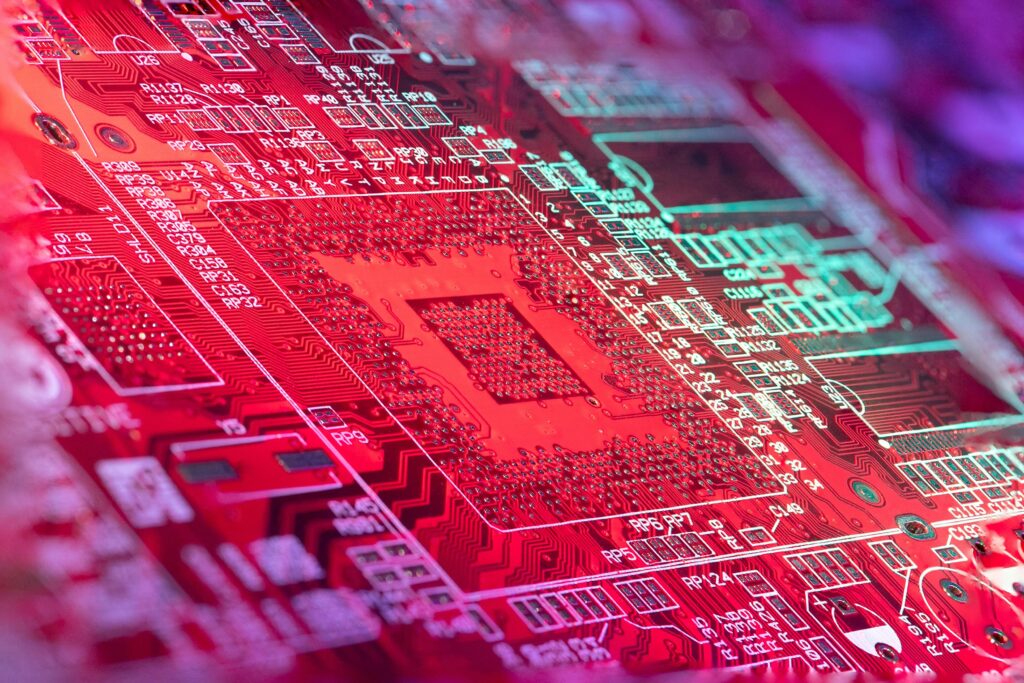
If 17th century was about controlling sea lanes, the 21st century could be about supply chains of advanced chips. ASML (NL) and TSMC (TW) forms the backbone of the global semiconductor industry. ASML is the only company in the world capable of producing EUV machines, without which cutting-edge chips cannot be made. TSMC, in turn, is the world ‘s most advanced semiconductor manufacturer for chips in smartphones, cars, AI systems today. This relationship is described as symbiotic: ASML’s tech enables TSMC’s production while TSMC’s scale and demands drive ASML’s innovation.
Taiwan and Netherlands, both small in territory, have unexpected sense of familiarity in terms of industry, history, and the openness for adventures. Dutch travelers interested in this shared past should not miss Fort Zeelandia. Walking around Anping, you encounter not only ruins but also place names, food tradition shaped in the Dutch period. For Dutch travelers, Taiwan is not just a distant destination; it is a place where echoes of history quietly continue to shape the present.