Wandelreis & Cultuurreis Japan
OVERVIEW
This journey is designed for travelers seeking an unforgettable Japan walking tour along the legendary Kumano Kodo pilgrimage route. You will hike different sections of the trail, each offering its own level of difficulty, distance, and scenery, paths walked by Japanese pilgrims for more than a thousand years.
Another highlight of this trip is the temple stay in Koyasan, the spiritual heart of Japanese Buddhism. Here you can experience the mystical atmosphere of Okunoin, join morning ceremonies led by monks, and enjoy traditional shōjin-ryōri vegetarian meals.
Your pilgrimage adventure is complemented by time in cultural Kyoto and a lively finale in modern Osaka, giving you a complete blend of nature, spirituality, history, and urban energy.
What's included
Included:
- 13 nights at a hotel (with breakfast and 8 nights dinner)
- Transport between destinations
- Mentioned excursions
- Airport transfer
Excluded:
- Flight tickets
- Local transportation (buses, metro, taxis)
- Optional excursions and sightseeing tours
- Travel insurance
From € 2.600 per person
All requests are tailor-made; the final package will be based on your preferences, season, and availability.
SCHEDULE
KYOTO
Whispers of Old Japan: The Kyoto Experience
DAY 1

Arrive at Kansai Airport
After arriving at Kansai International Airport in Osaka. One of Japan’s main international hubs. Your private driver will take you directly and comfortably to Kyoto.
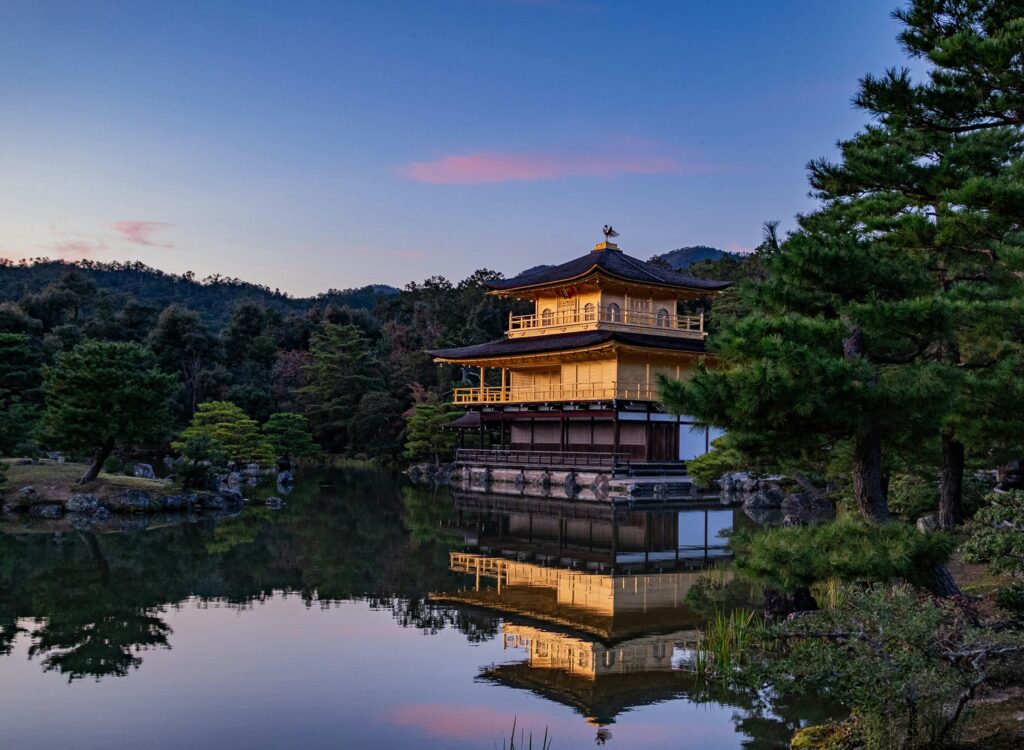
Start in Kyoto
Your journey begins in Kyoto, Japan’s ancient capital and the perfect place to start. With its historic temples, peaceful gardens, and beautifully preserved streets, Kyoto immediately immerses you in the rich culture and traditions of Japan.
KYOTO
Whispers of Old Japan: The Kyoto Experience
Day 2
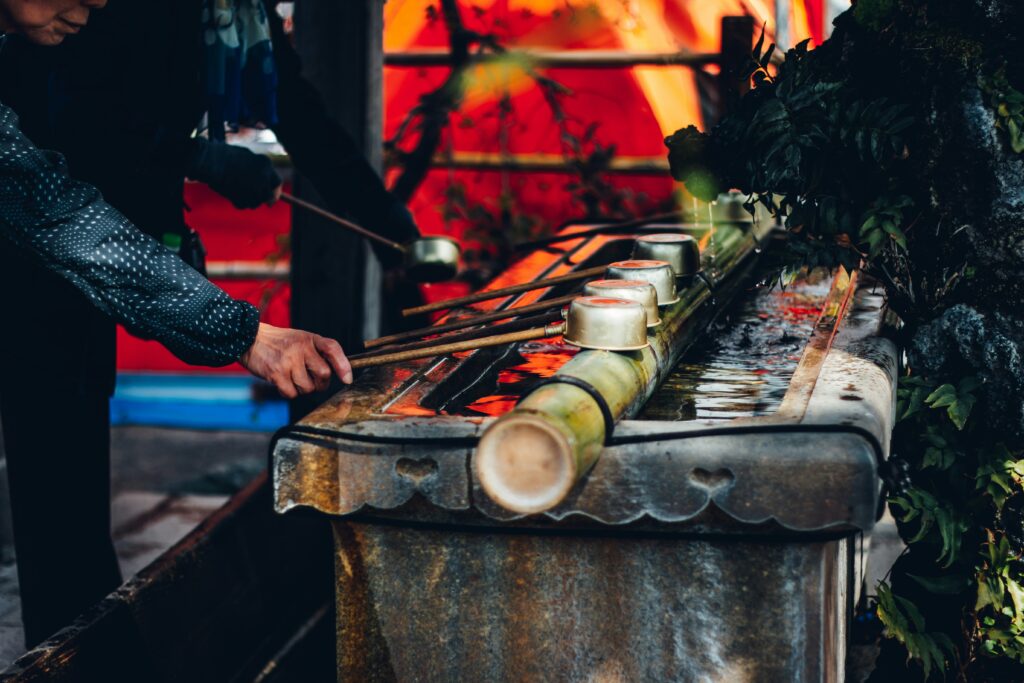
Introduction to Kyoto with Your Private Guide
Your day begins with a warm introduction to Kyoto by your private guide. You’ll learn about the city’s history, local customs, and Japanese cultural etiquette knowledge that will help you travel more smoothly and confidently in the days ahead.

Highlights and Hidden Gems
With your guide, you don’t just visit the famous sights. You also discover hidden gems that only locals know. Expect charming backstreets, small artisan workshops, and traditional sweet shops where you can taste authentic Kyoto flavors.
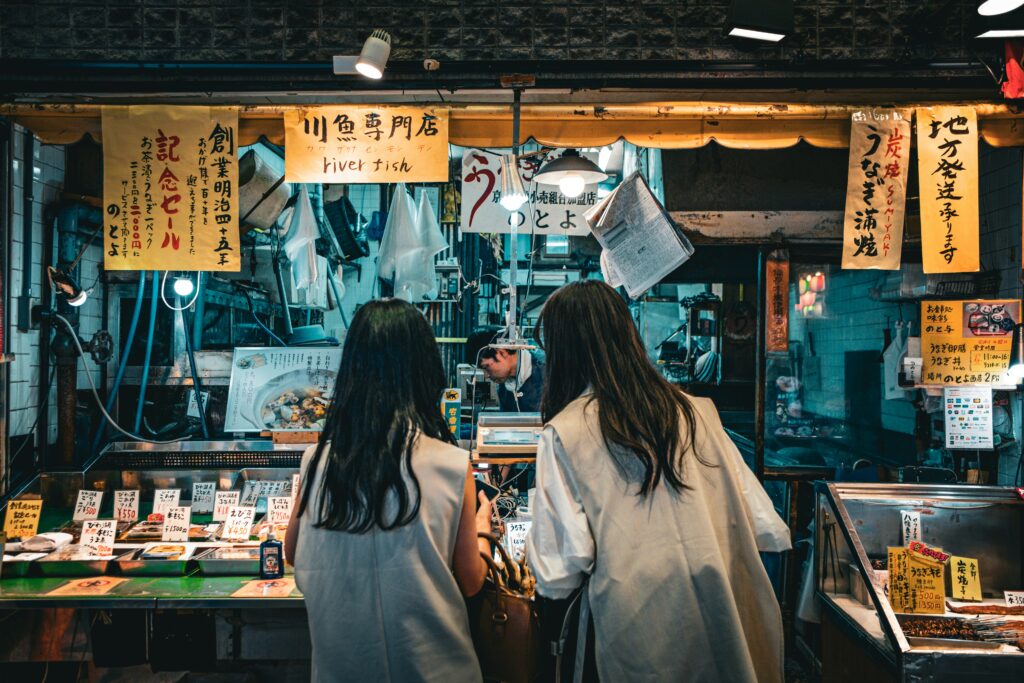
A Local Food Tour in Kyoto
Optional: A local food tour in Kyoto adds a touch of mystery and discovery. It’s a great way to explore what Kyoto people really eat from seasonal specialties to small family-run eateries you might never find on your own.
KYOTO
Whispers of Old Japan: The Kyoto Experience
DAY 3
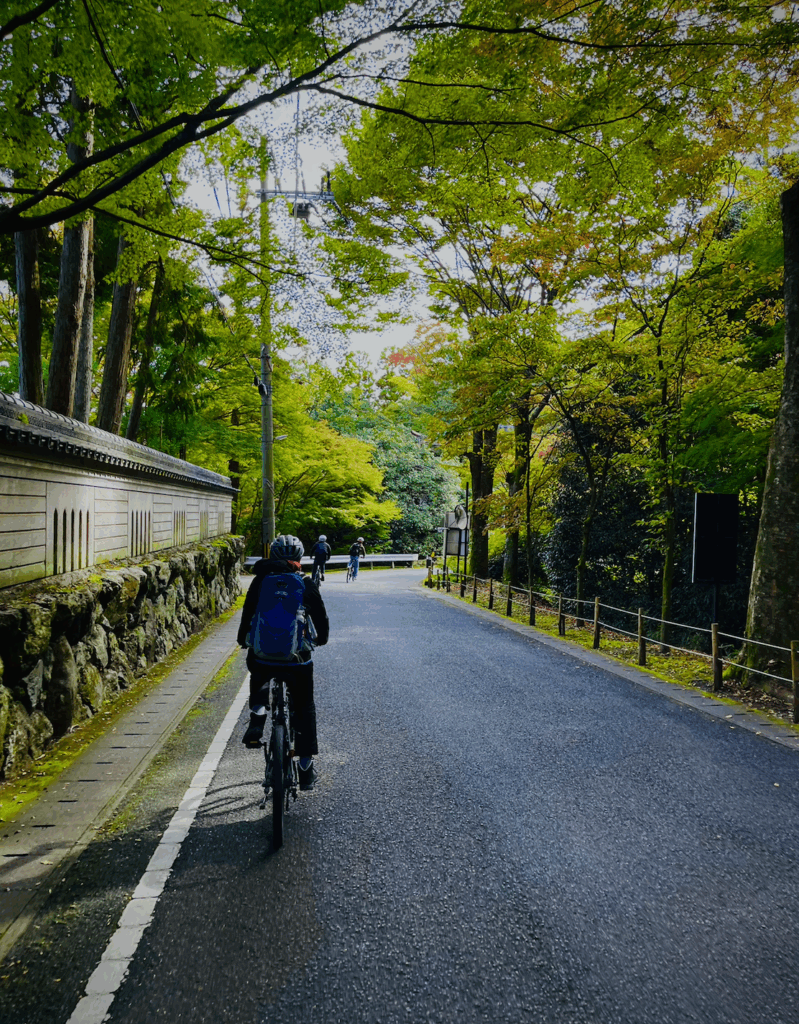
Explore Kyoto by Bike
Today you discover a different side of Kyoto by bicycle. As you cycle through quiet backstreets, along peaceful riverside paths, and through local neighborhoods, you get a deeper and more authentic look at everyday life in the city. It’s a refreshing way to experience Kyoto beyond the usual tourist routes.

Kimono Dress Experience
After your ride, step into the elegance of traditional Japan by dressing in a beautiful kimono. A local stylist helps you select the right colors, patterns, and accessories, turning the experience into something both personal and memorable. It’s a wonderful way to feel connected to Kyoto’s refined cultural heritage.
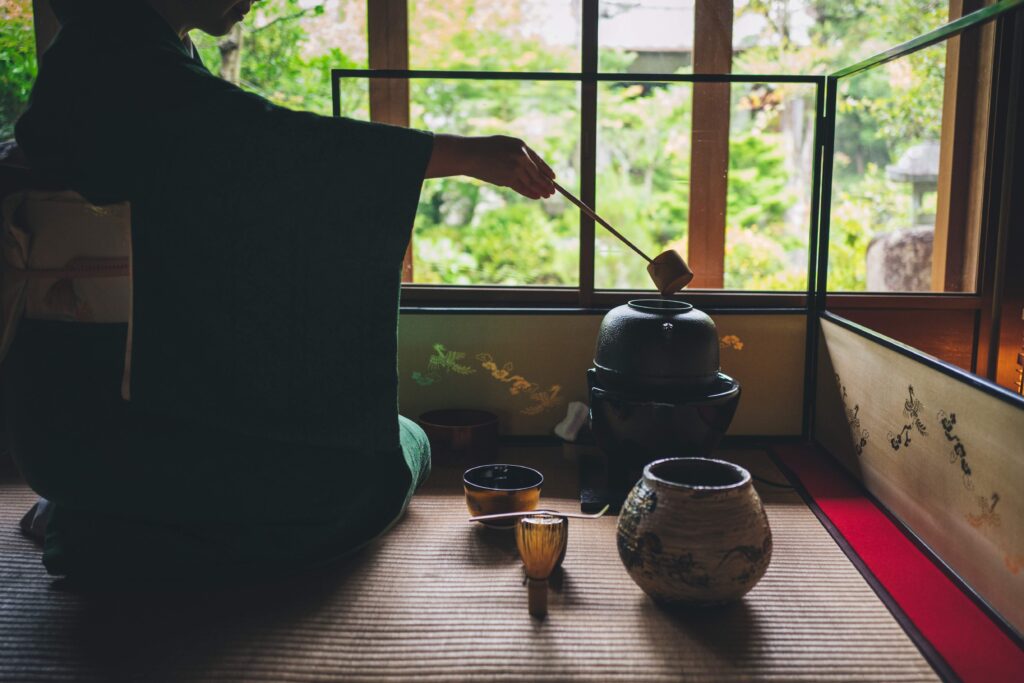
Traditional Tea Ceremony
Optional: While wearing your kimono, you can take part in an authentic tea ceremony led by a tea master. Learning the graceful movements and rituals of tea preparation gives the experience a deeper meaning and the combination of kimono and ceremony creates an extra special atmosphere you won’t forget.
KUMANO KODO
Sacred Pilgrimage Walk
DAY 4
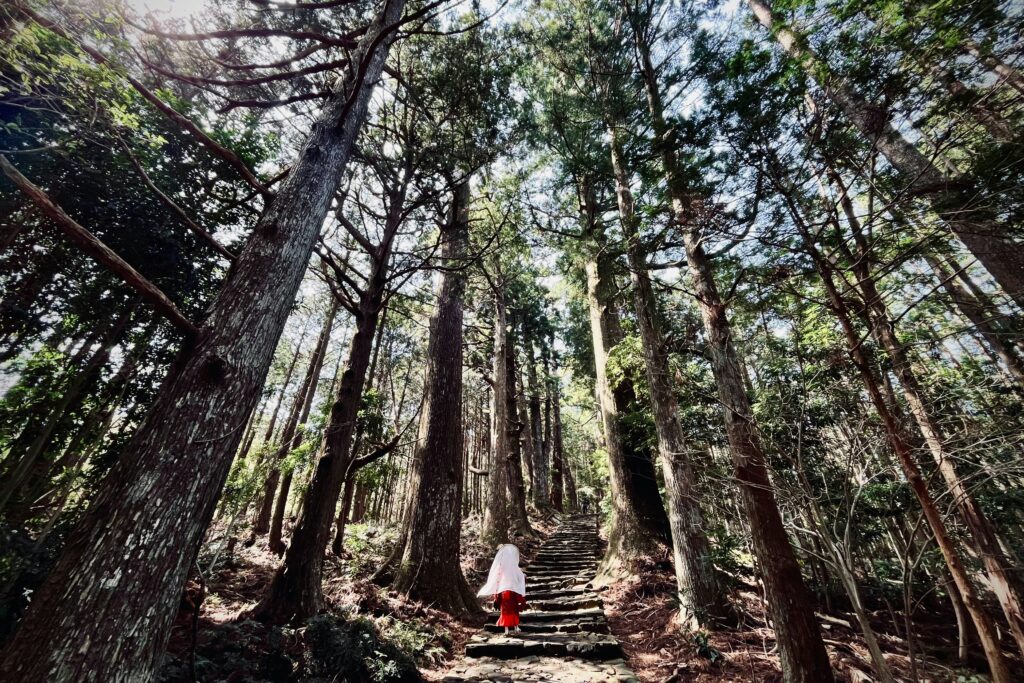
Today you start the highlight of Kumano Kodo pilgrimage route. After arriving, you receive an introduction to the Kumano Kodo, one of Japan’s oldest and most sacred walking routes.
You then begin your first stage:
Walk from Takijiri-oji to Takahara (3.7 km, approx. 2.5 hours).
This short but steady uphill section leads you through peaceful forest paths to the mountain village of Takahara, known for its panoramic views over the valley. It’s the perfect warm-up for the longer hikes ahead and gives you an immediate sense of the history and atmosphere of the ancient pilgrimage trail.
KUMANO KODO
Sacred Pilgrimage Walk
DAY 5

Today you continue along the Kumano Kodo Nakahechi route with one of the most scenic and varied stages of the pilgrimage.
Your walk from Takahara to Tsugizakura-oji (~13 km, 6–8 hours.)
The trail leads you through quiet forests, small mountain settlements, and historic rest stops once used by ancient pilgrims. Along the way, you pass moss-covered stone markers, giant cedar trees, and viewpoints overlooking the valleys below. This is a day where the deep spiritual atmosphere of Kumano truly comes alive.
KUMANO KODO
Sacred Pilgrimage Walk
DAY 6
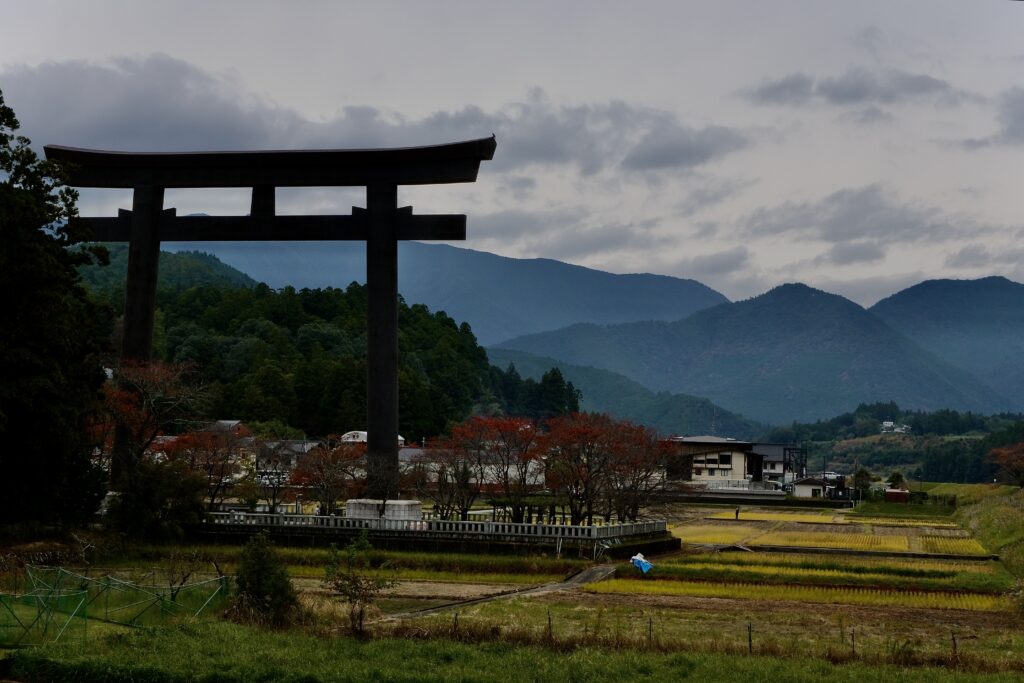
Today you walk one of the most meaningful stages of the Kumano Kodo:
From Tsugizakura-oji to Kumano Hongu Taisha (~21.5 km, 8–11 hrs).
The trail leads through quiet forests, ancient sugi cedar trees, and the historic Toganoki-Jaya area. You finish at the sacred Kumano Hongu Taisha, the spiritual heart of the pilgrimage. Here you can feel the deep history of the shrine and visit the massive Oyunohara Torii — one of the largest torii gates in the world.
From Hongu, you take a short 10-minute bus ride to the onsen area, a UNESCO-listed hot spring village and one of the oldest bathing towns in Japan. You stay in a traditional Japanese onsen hotel, the perfect place to relax and prepare for the next day’s hike.
KUMANO KODO
Sacred Pilgrimage Walk
DAY 7
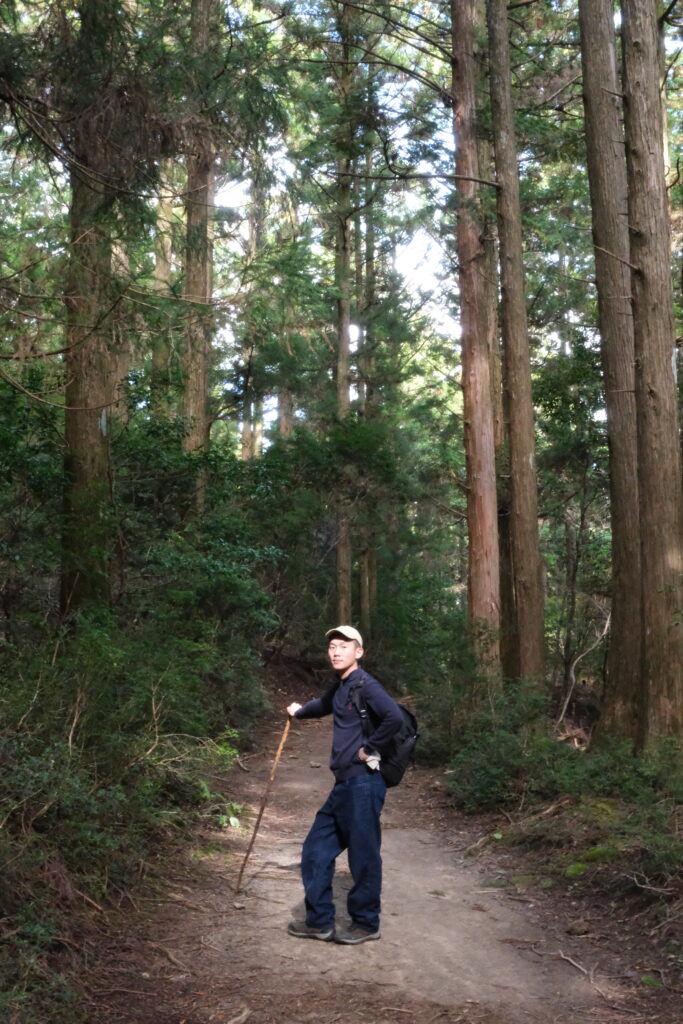
In the morning, you will walk from Ukegawa, where you take the bus from your hotel to start point. And your goal is to walk to Koguchi (~13 km, 4.5–6 hours).
This stretch follows gentle riverside paths and quiet forest trails, passing small villages and peaceful viewpoints along the way. It’s a calmer day compared to the previous stage, giving you time to enjoy the natural beauty and rhythm of the pilgrimage route.
You end the day in Koguchi, a simple and remote settlement surrounded by mountains—perfect for resting before the challenging Ogumotori Pass on the following day.
KUMANO KODO
Sacred Pilgrimage Walk
DAY 8
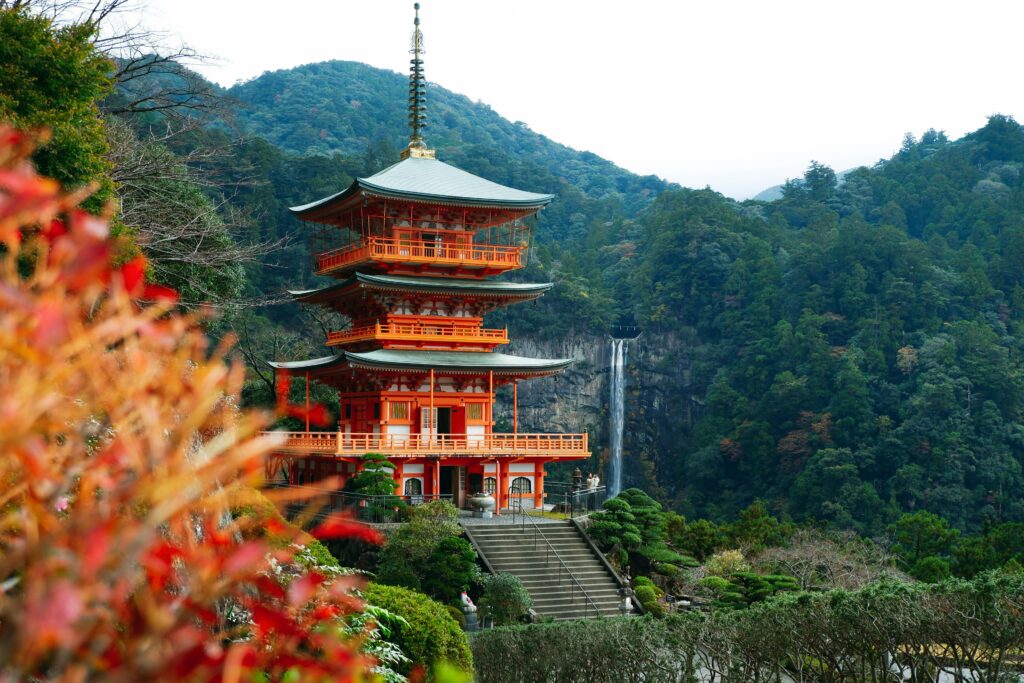
Today you hike one of the most famous sections of the Kumano Kodo: the Ogumotori Pass.
Leaving Koguchi, the trail climbs steeply through peaceful forests and mountain ridges, offering beautiful views over the valleys below. This is the toughest ascent of the pilgrimage, but also one of the most memorable.
After reaching the high point, you descend toward Kumano Nachi Taisha, one of the Three Grand Shrines of Kumano. Here you can explore the sacred temple grounds and visit the impressive Nachi Waterfall, Japan’s tallest single-drop waterfall and a highlight of the entire route.
Your day ends in the Nachi or Katsuura area, the perfect place to rest after completing this iconic stage of the Kumano Kodo.
KUMANO KODO
Sacred Pilgrimage Walk
DAY 9

After finishing the Kumano Kodo, today is your big reward to yourself: a full day of relaxation in Kii-Katsuura. This coastal town is famous for its soothing onsen, especially the open-air rock baths overlooking the ocean.
Enjoy a slow morning, soak your tired muscles in the natural hot springs, and treat yourself to fresh local seafood, especially Katsuura’s renowned tuna. It’s the perfect way to end your pilgrimage, unwind deeply, and celebrate everything you’ve accomplished.
KOYASAN
DAY 10
Buddhism Town in the Clouds
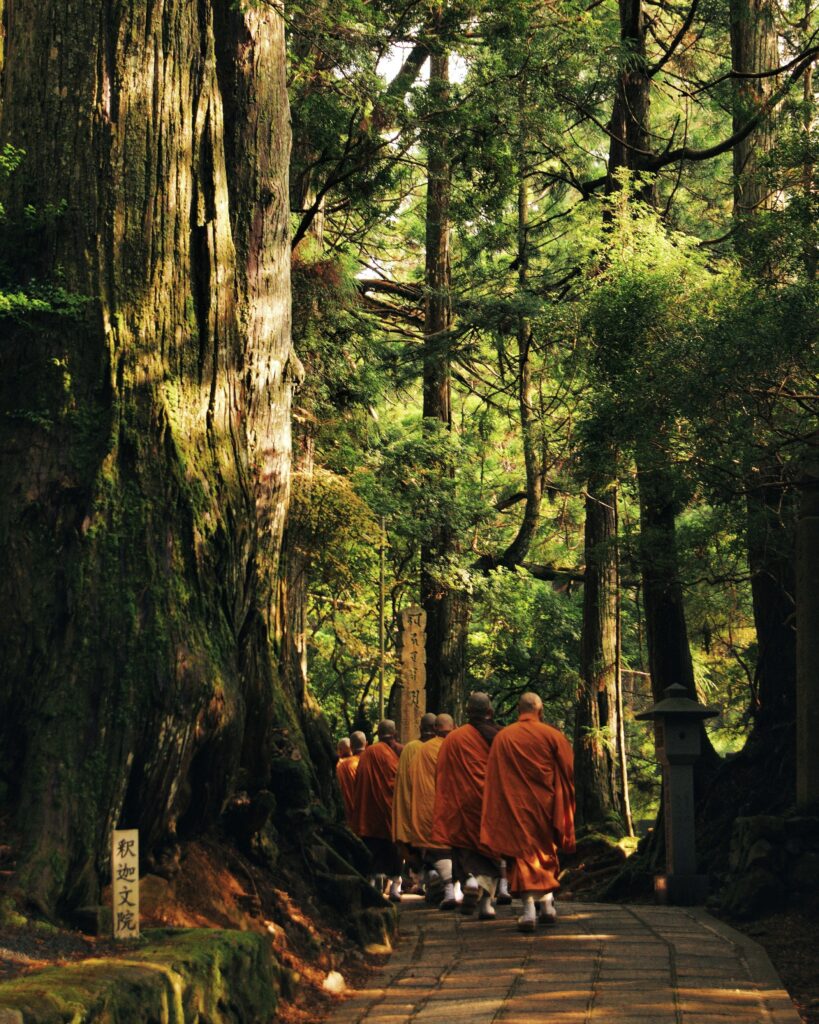
Journey to Koyasan
Today you travel to another highlight: Koyasan, one of Japan’s most sacred and atmospheric mountain sanctuaries. As you ascend into the misty peaks, the mood shifts, temple bells, towering cedar forests, and ancient stone paths welcome you into a world shaped by over 1,200 years of Buddhist history.
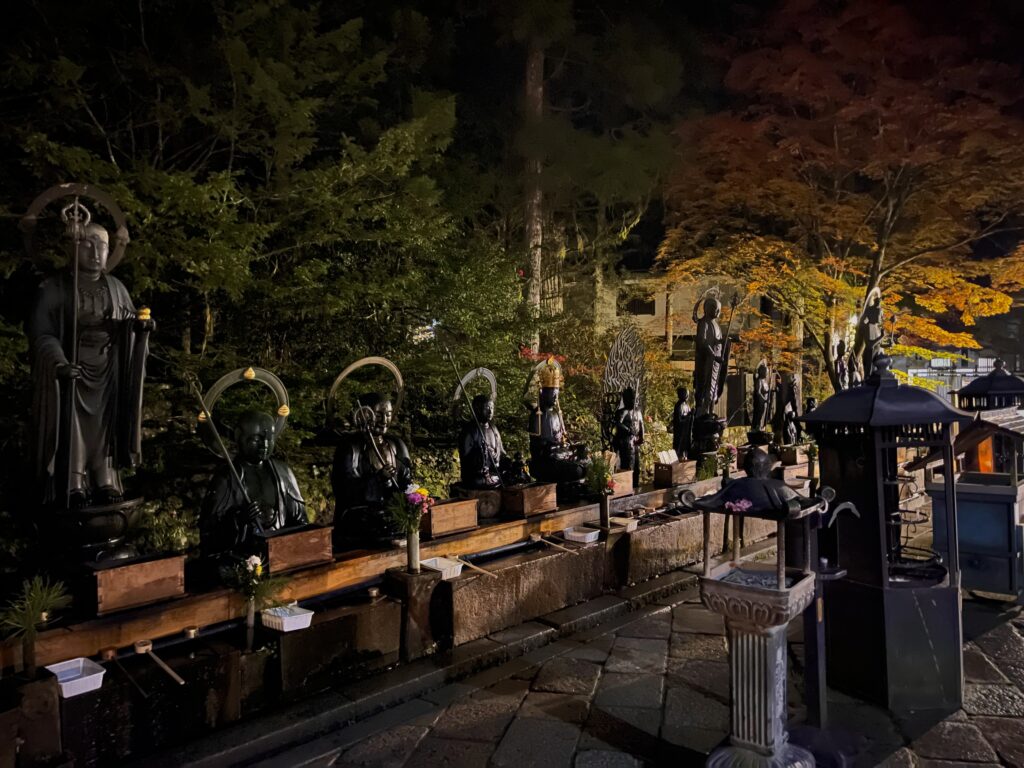
Exploring the Spiritual Heart of Koyasan
Explore the spiritual heart of Koyasan, from the peaceful temple complexes to the hauntingly beautiful Okunoin, Japan’s largest and most sacred cemetery. Walking among moss-covered gravestones and lantern-lit pathways feels like stepping into another realm.
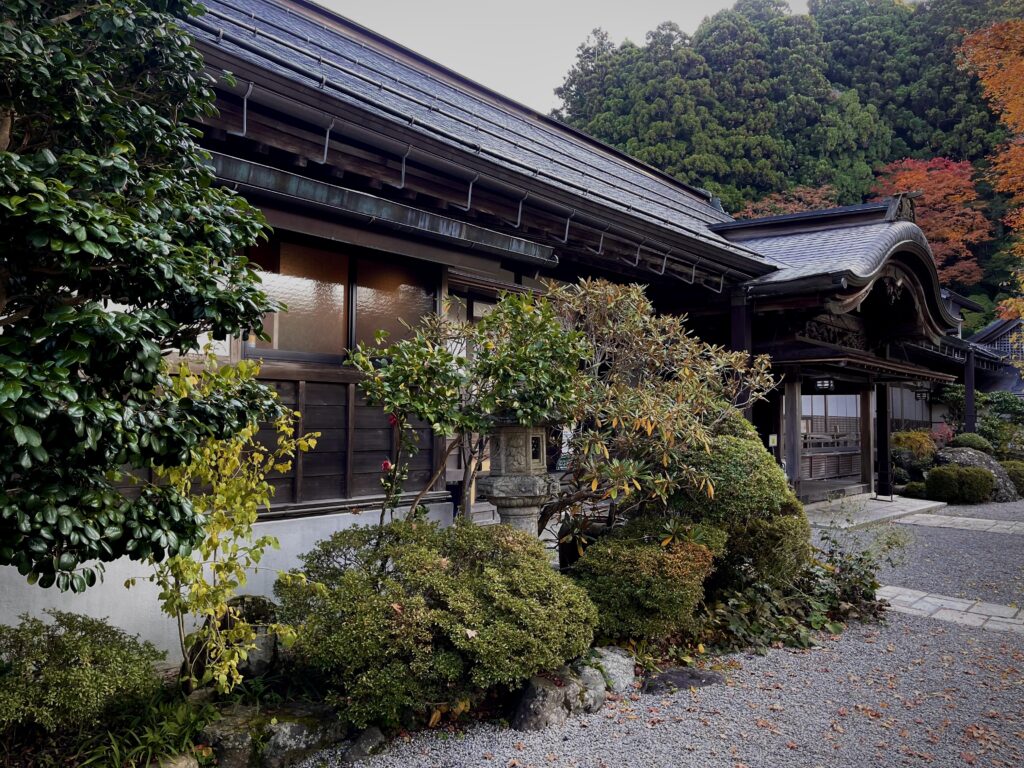
Temple Stay & Monastic Life Experience
You stay overnight in a shukubo (temple lodging), where you’ll enjoy a traditional shojin ryori vegetarian dinner and experience the calm rhythm of monastic life. A new chapter of your journey begins here. Quiet, mystical, and deeply inspiring.
KOYASAN
Buddhism Town in the Clouds
DAY 11

A Slow Morning in Koyasan
Today you have extra time to explore Koyasan at a slower, more relaxed pace. Your morning often begins with a Buddhist temple ceremony. A special chance to observe meditation and traditional rituals up close.
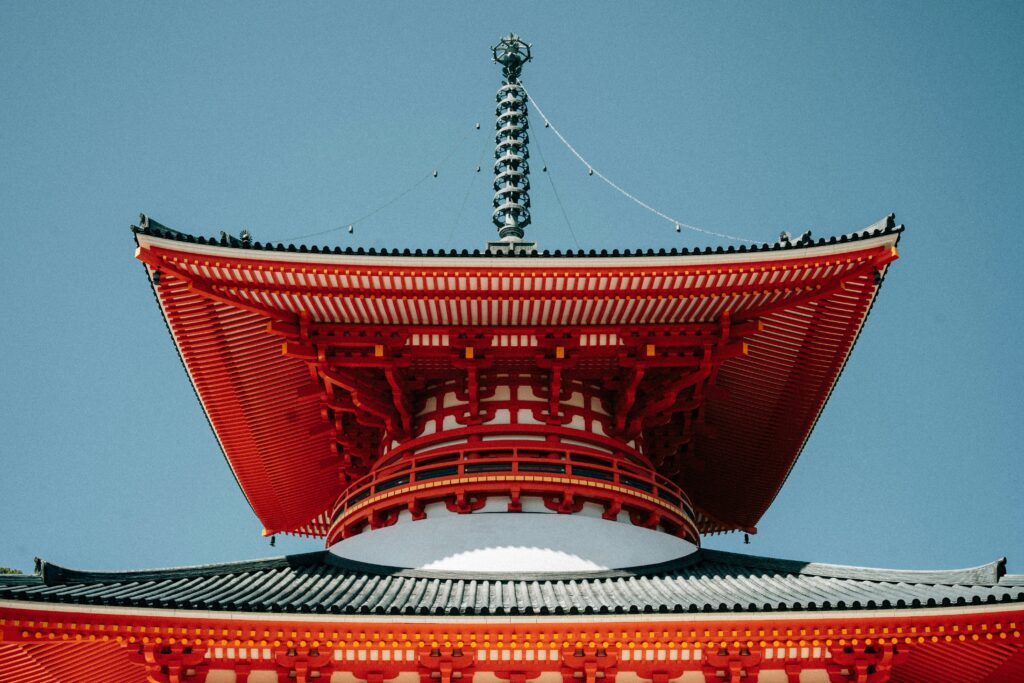
Discovering Koyasan’s Sacred Sites
Afterwards, you can continue discovering the spiritual heart of Koyasan: the Danjo Garan temple complex, impressive pagodas, and the quiet forests that give this holy mountain its unique atmosphere.
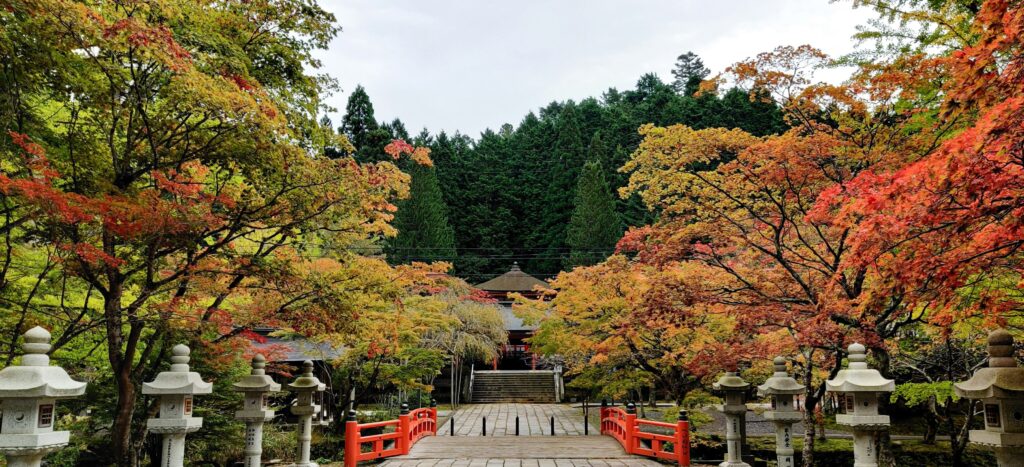
Afternoon Walks & Optional Hikes
In the afternoon, you may choose to rest in nature or visit smaller temples. If you prefer a more active option, the Nyonin-michi (女人道) trail is a beautiful hike. This historic route circles around Koyasan and takes you along peaceful forest paths with lovely viewpoints.
OSAKA
Energy, Flavor, and Soul
DAY 12
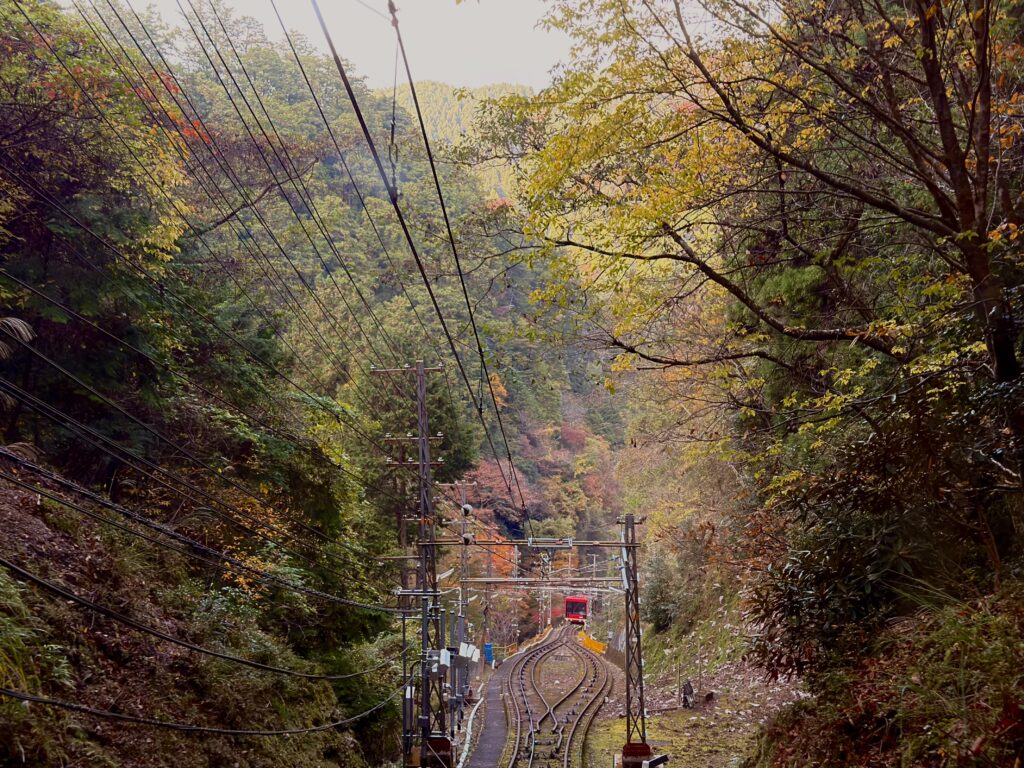
Leaving Koyasan
Today you say goodbye to the peaceful mountains of Koyasan. You descend by cable car, enjoying the final views of cedar forests and quiet ridgelines. From the station, a comfortable train takes you directly to Osaka.

Arrival in Osaka
Stepping into Osaka feels like entering a different world, bright city lights, busy streets, and a lively energy everywhere. You can explore vibrant areas like Namba or Umeda, perfect for wandering, shopping, or people-watching.

Food Tour
Optional: Why not join a local food tour? Osaka is known as Japan’s “Kitchen of the Nation,” and a guided tour introduces you to signature dishes such as takoyaki, okonomiyaki, and kushikatsu. It’s also a fun way to learn about the city’s unique cooking culture and street-food traditions.
OSAKA
Energy, Flavor, and Soul
DAY 13
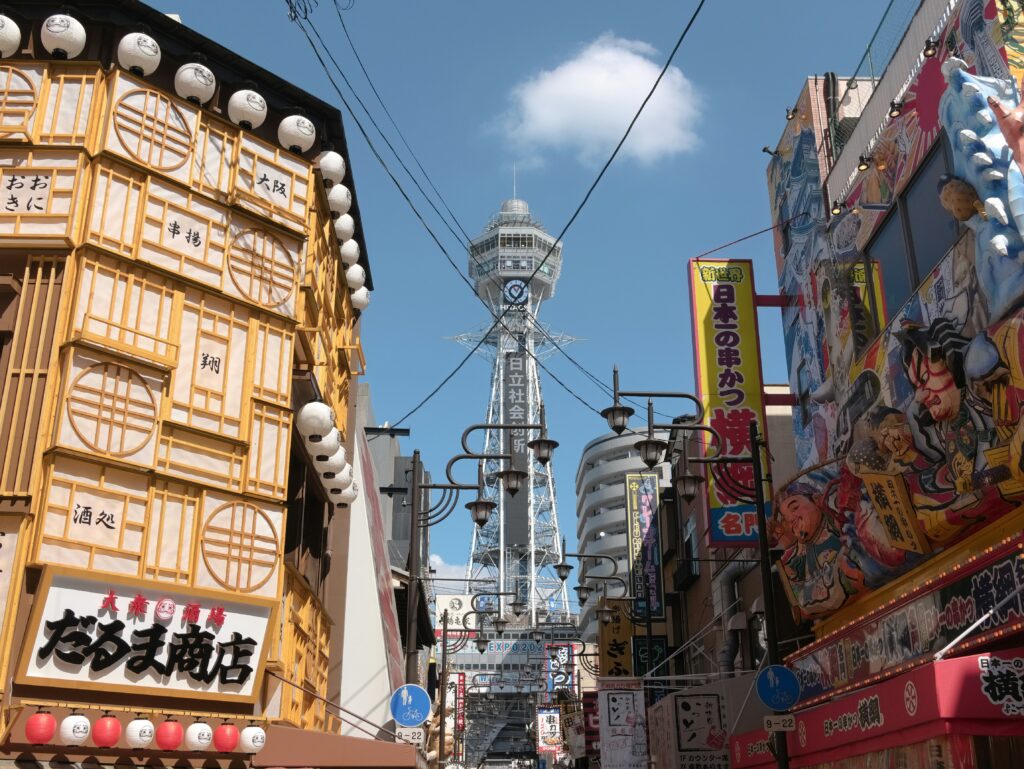
Visit Tsutenkaku
Why not start your day in Shinsekai, where the retro Tsutenkaku Tower offers great views and a nostalgic atmosphere? The area is full of local eateries, quirky shops, and classic Osaka charm Also a great place to buy some local souvenirs!

Learn the Craft of Knife-Making
Optional: If you prefer something cultural, you can experience Osaka’s craftsmanship with a traditional knife-making workshop. Here you have the chance to learn how Japanese kitchen knives are forged, sharpened, and polished. An unforgettable hands-on experience and a meaningful souvenir to take home.

Universal Studios Japan
Optional: Something More Exciting? For travelers who are looking for excitement and thrills, a visit to Universal Studios Japan is a must. From thrilling rides to the popular Super Nintendo World, it’s a fun and energetic way to celebrate the end of your journey.
OSAKA
From Osaka to Home
DAY 14

Time to wrap up your journey
Pack your luggage and make the most of your last few hours in Osaka. Afterward, your private driver will take you to the airport. It’s not goodbye, it’s see you next time.
Ready to Turn This Dream Into Your Journey?
Every traveler is different and that’s what makes your story special.
Let’s co-create a trip that reflects your pace, interests, and style.