Japan Senior Travel Review
18 March 2026
An 18-Day Cultural Journey with Kunji Travel
Is Japan a Good Destination for Senior Travelers?
“Is Japan friendly for seniors?” This is a question we often hear at Kunji Travel. The answer is a definitive YES.
For travelers from the Netherlands and Europe, Japan offers the perfect balance of exotic culture and modern convenience. If you are considering your first trip to East Asia, Japan is the most comfortable place to start.
Why Japan is Perfect for Your Next Journey:
World-Class Accessibility: From sleek bullet trains (Shinkansen) to well-maintained public roads, the infrastructure is designed for ease of movement.
Safety & Reliability: Japan is one of the safest countries in the world. You can explore with total peace of mind.
Stress-Free Navigation: Public signage is clear (and often in English), making it easy to find your way without worry.
Comfort First: High standards of cleanliness and service mean you can focus on the sights, not the logistics.
At Kunji Travel, we specialize in creating seamless experiences for mature travelers. But don’t just take our word for it. Let’s hear from one of our recent guests (Ineke) about her actual experience on the ground.
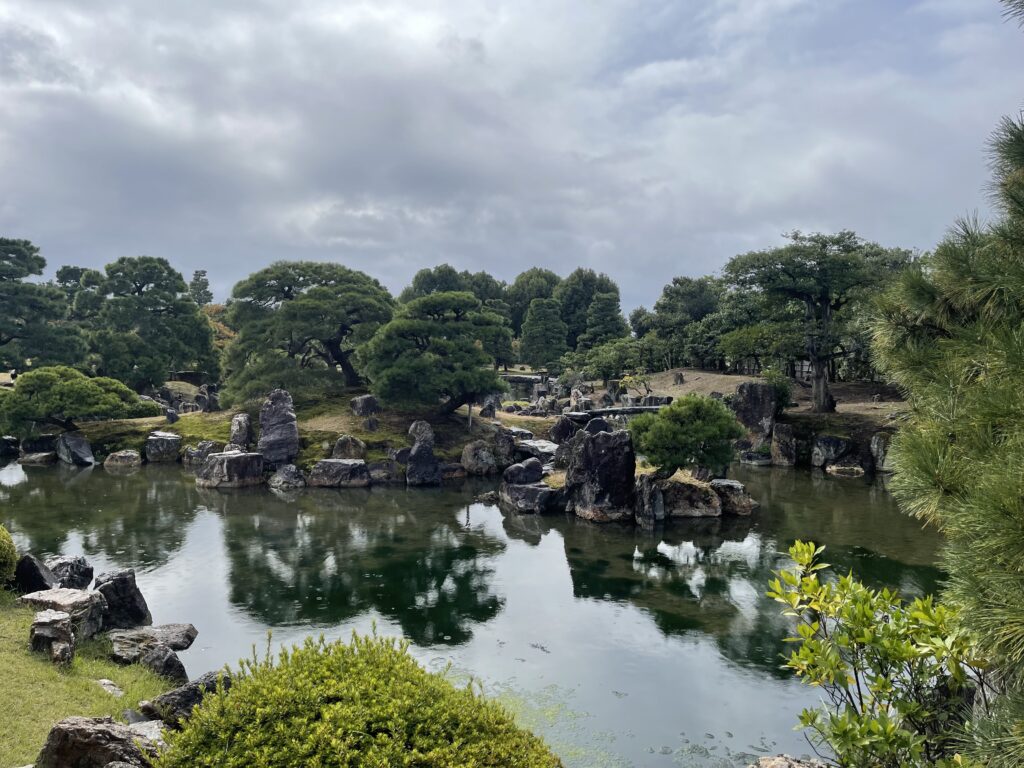
My 18-day round trip through Japan began with a 6-day stay in Kyoto. An extraordinary city with many temples and beautiful temple gardens. A guide taught us how to travel with public transport, showed us the most beautiful spots, and taught us the most important Japanese traditions. This was very useful for the rest of the trip. The guide for the cycling excursion showed us the hidden gems of Kyoto, far away from the crowds. It was also peaceful in the garden of Tenryu Zen Temple, one of the most beautiful gardens we visited.
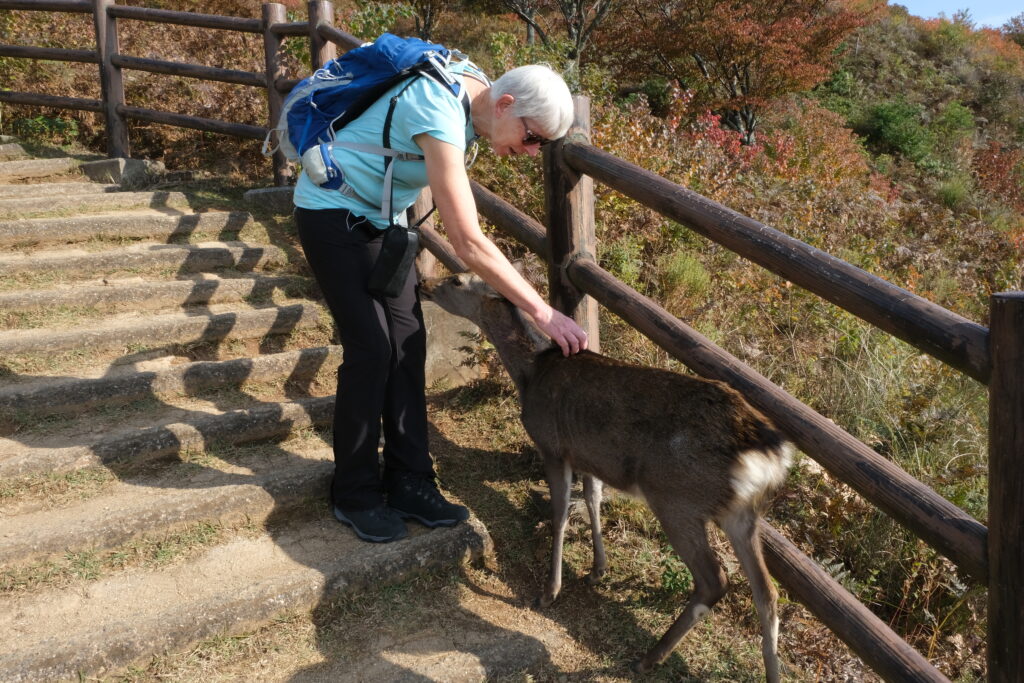
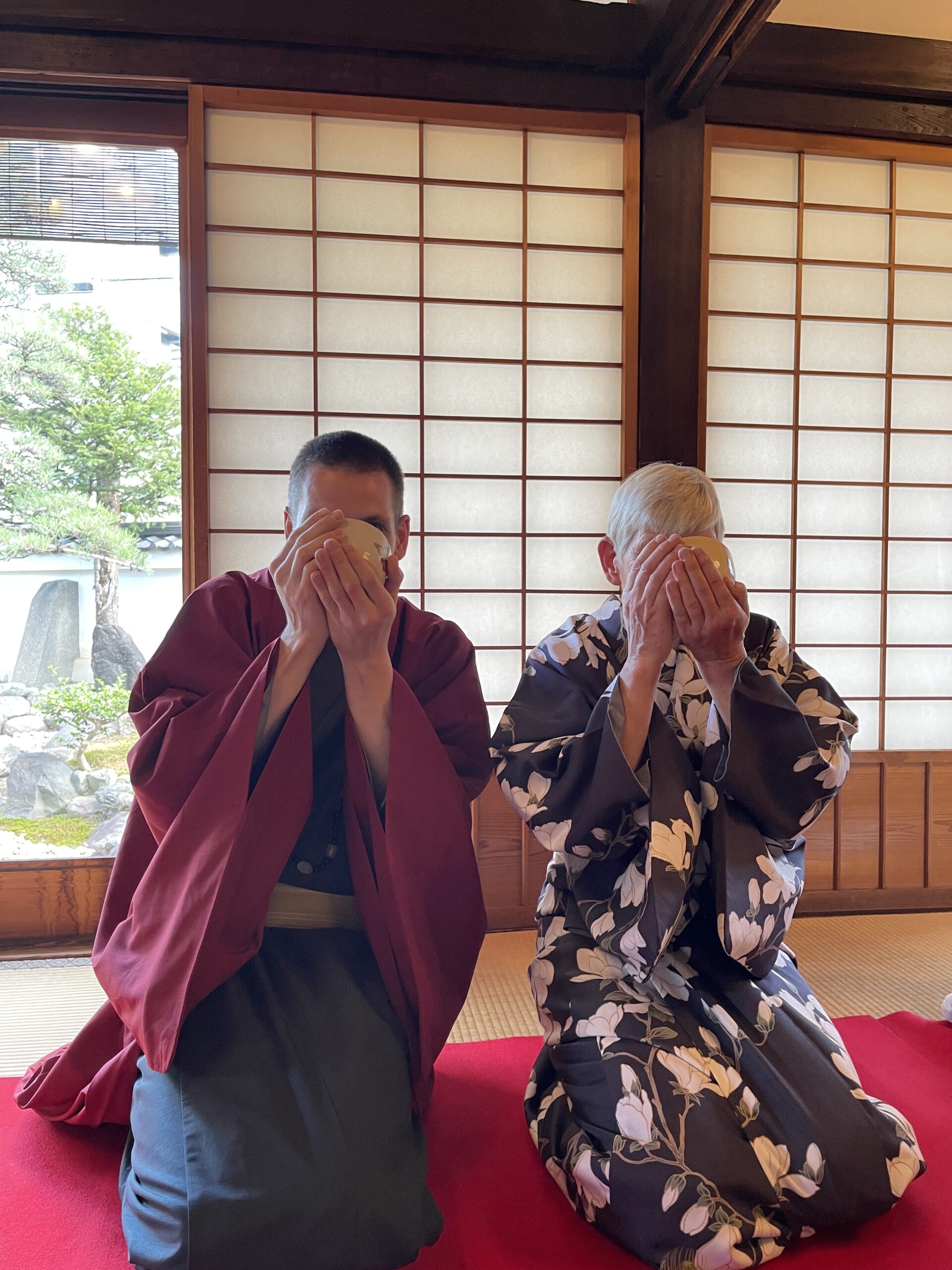
An excursion with a small train along the Hozu River was also a bit disappointing. The train traveled so fast that there was little time to take beautiful photos. However, the boat trip back over the river was an impressive experience due to the many rapids. The following day was dedicated to ancient Japanese traditions and, as a contrast, modern digital art. In a rented kimono, we were taught what a real Japanese tea ceremony entails. That same evening, we were surprised by the dizzying digital art of Teamlab. The next day, we took the train to Nara with its famous temples and Nara Park, where Sika deer roam freely. It was a cute sight to see how these deer react to people, though it was likely only for the special deer crackers. To avoid the crowds, we walked up the mountain. At the highest point, a serene peace prevailed, and we enjoyed a beautiful view.
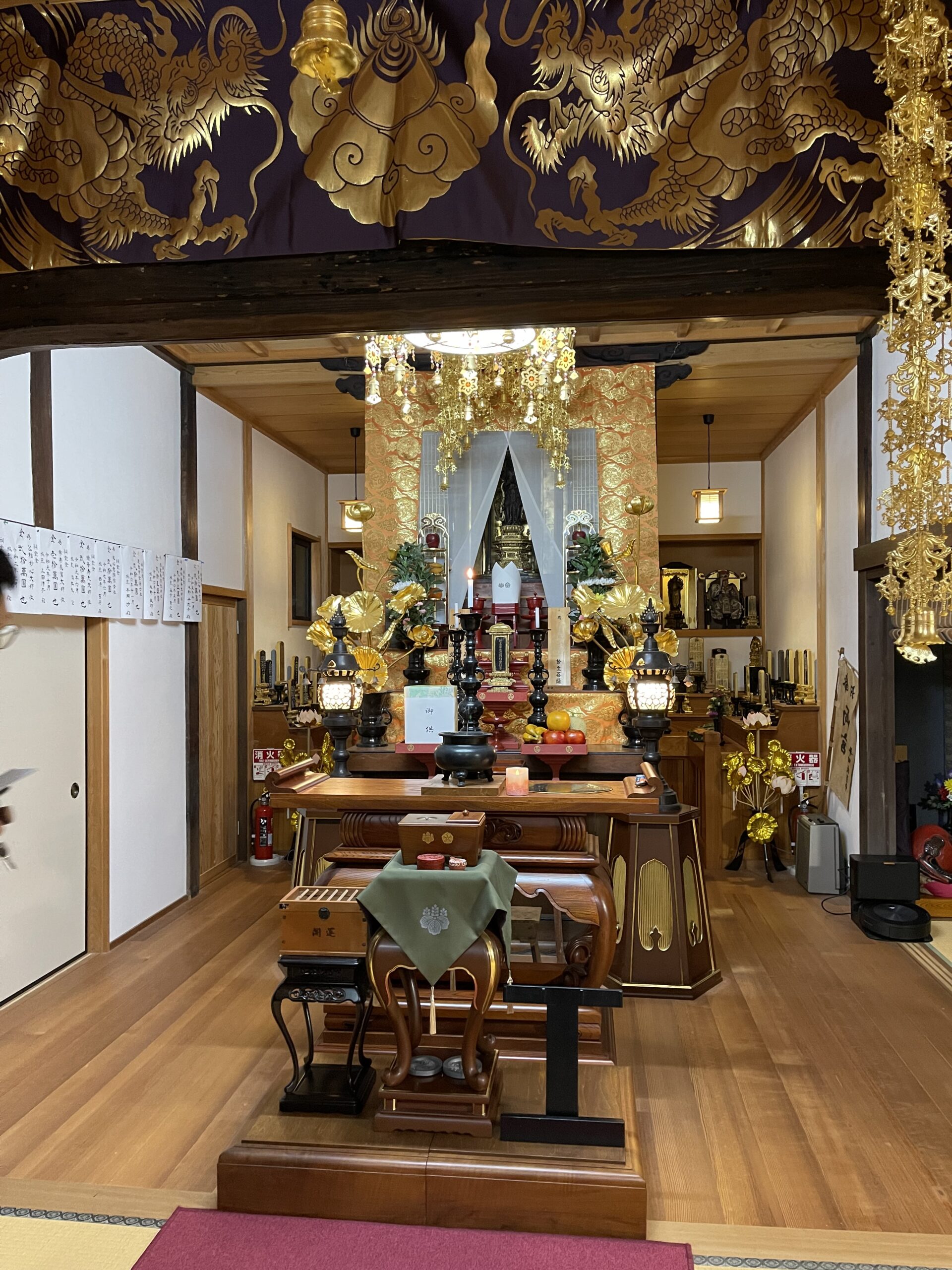
The next morning, we took a walk through the famous Fushimi Inari-taisha shrine with its 4 kilometers of torii gates. There were many people here as well, but the higher you walk, the fewer people there are. It was very special. That same afternoon, we drove to Ine with a rental car. Ine is an old fishing village on the Sea of Japan with boathouses on the water. As busy as it can be in Kyoto, it is just as peaceful in Ine. A visit to the small fishing museum is also worthwhile. In the afternoon, we took a boat trip over the Sea of Japan, where dozens of seagulls flew along in hopes of getting a treat. On the way to the next accommodation, we first went up with a cable car and then did a significant climb to Nariaji Temple gate, an important temple for Japanese people. We stayed the night in the guesthouse of a centuries-old Zen temple; back to basics. The next morning, we were invited by the monk to attend a Buddhist ceremony. It was very impressive. After a traditional Zen breakfast, we said goodbye to the exceptionally friendly monk.



This day was a travel day to the south of Kyoto by train along the Pacific coast to our next stay in a ryokan (spa hotel) with its own hot springs and a view of the Pacific Ocean. We visited Yoshino-Kumano National Park, where we had a special encounter with a woodcarver who had been making the most beautiful wooden statues in his shop for 60 years. The walk continued through the park with a visit to the temple, pagoda, and a beautiful waterfall. The next day, we traveled by bus to Nachisan. This is the starting point of a stage of the Kumano Kodo, an important, ancient pilgrimage route. It was a seven-hour walk to Koguchi; it was tough but truly worth it. After a well-deserved cup of tea, we took the bus to Hongu, the end point of this pilgrimage route. An important temple stands here which, after a flood, was moved to a higher area.
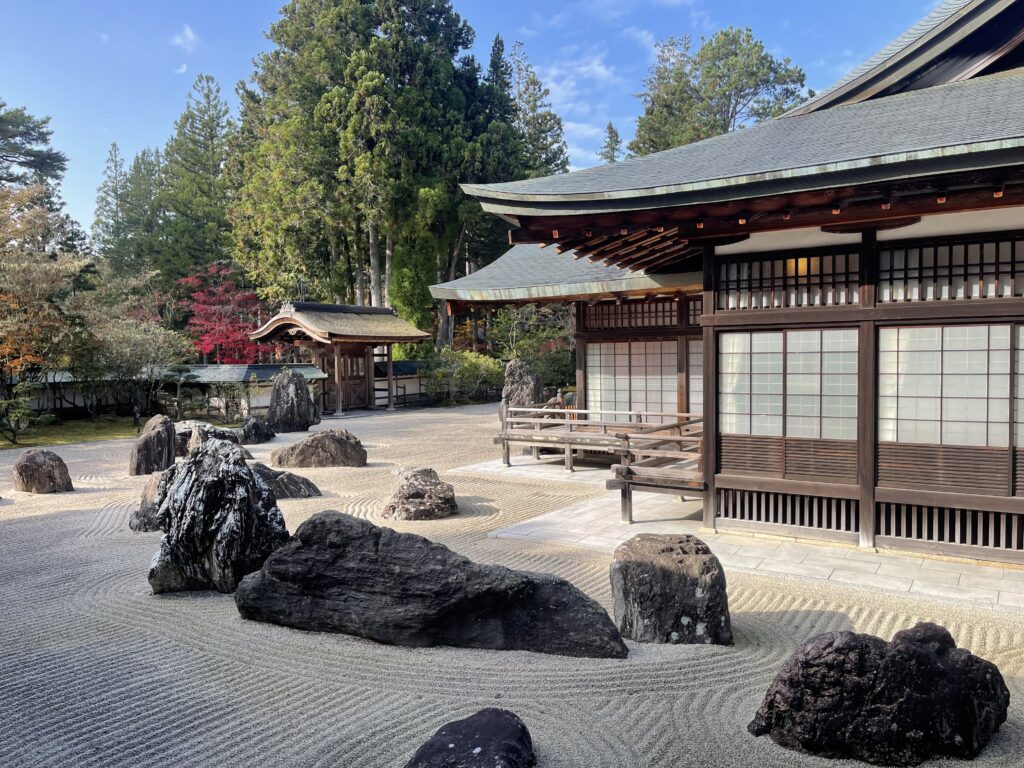
From Hongu, we traveled further to Koyasan, a sacred place in Esoteric Buddhism. It was founded by a famous monk named Kukai and is very important for Japanese Buddhists. The evening excursion across the famous temple complex was very special, and we learned a lot from the friendly monk who was our guide. We stayed the night in a Buddhist temple with its own onsen. The next morning, we woke up early to attend the Buddhist ceremony. Afterward, we visited the temple and the cemetery again, but this time in daylight. That same afternoon, we traveled by bus, cable car, and metro to Osaka, the final destination of our trip. But first, in the evening, we took a walk through bustling and modern Osaka, where many young people were endlessly making videos and photos.


The next day, after a visit to the knife museum, we were allowed to make our own knives at a traditional knifemaker. This was very fun to do. The knifemaker was the fifth generation to do this. After this great experience came the icing on the cake: a helicopter flight over Osaka! The weather was beautiful, and we could see very far. What an experience and what a special conclusion to our trip. The next morning, we still had time to see the Osaka Tower, where it was very busy. But that is also Japan. In the afternoon, we took a taxi to Osaka airport for the return journey.
“Japan is a truly special country. The people are friendly, helpful, and exceptionally polite. The sprawling cities are remarkably clean and safe, while the nature is both beautiful and incredibly varied. It is clear that the Japanese people deeply value their culture and religion, which is beautifully reflected in the many centuries-old temples and gardens we visited.
A special thanks to Kunji Travel, specifically to Steven, for organizing such a fantastic 18-day trip. Your expertise made my journey extra comfortable and much easier to navigate. From the diverse accommodations—ranging from monk quarters to chic spa hotels—to the educational excursions, everything was perfectly handled.