

What is the best time to travel to Japan for a longer cultural journey?


The best time to travel to Japan for a longer cultural journey is spring (March to May) and autumn (October to November). The weather is mild, nature is beautiful, and it's ideal for slow travel. Cherry blossom season in spring and colorful autumn foliage make temple visits, gardens, and scenic road trips especially rewarding.
How easy is it to drive in Japan as a foreign traveler?


Driving in Japan as a foreign traveler is safe and surprisingly easy. Roads are well maintained, traffic is calm, and navigation systems are reliable. You will need an International Driving Permit. Renting a car is especially convenient for exploring rural Japan, scenic coastal routes, and cultural regions beyond the main cities.
Can you experience authentic Japan away from the tourist crowds?


Yes, you can experience authentic Japan beyond the tourist crowds. Outside major cities like Tokyo and Kyoto, you'll find quiet villages, traditional ryokan, artisan workshops, and scenic coastal or mountain regions. Kunji Travel helps you create a well-planned Japan cultural itinerary that allows you to explore hidden gems and enjoy a deeper, more meaningful travel experience.
Can seniors enjoy a slower-paced cultural itinerary in Japan?


Yes, seniors can absolutely enjoy a slower-paced cultural itinerary in Japan. The country is safe, well organized, and ideal for slow travel. With a carefully planned Japan cultural journey, mature travelers can explore temples, gardens, historic towns, and scenic regions at a comfortable rhythm without feeling rushed.
How far in advance should I plan a 4–6 week trip to Japan?


For a 4–6 week trip to Japan, it is best to start planning 6 to 9 months in advance. This is especially important during cherry blossom season (March–April) and autumn foliage (October–November). Early planning ensures better availability for unique accommodations, rental cars, and cultural experiences.
Do I need a visa to visit Japan?


Many travelers do not need a visa for short-term tourism in Japan. Citizens of the Netherlands and several other countries can usually stay in Japan visa-free for up to 90 days. However, visa regulations may change, so it is always best to check the official website of the Japanese embassy before traveling.
What is a futon bed and ryokan?


A futon bed is a traditional Japanese mattress placed directly on tatami flooring. It is laid out in the evening and folded away in the morning. Futons are firmer than Western beds but are an important part of the traditional Japanese living experience.
A ryokan is a traditional Japanese inn. Guests usually sleep on futons, enjoy seasonal Japanese meals, and may have access to an onsen (hot spring bath). Staying in a ryokan is a unique way to experience authentic Japanese culture and hospitality.
What is a Japanese onsen (hot spring)?


A Japanese onsen is a natural hot spring bath filled with mineral-rich water heated by volcanic activity. Bathing in an onsen is a traditional part of Japanese culture and is known for relaxation and wellness benefits. Many ryokan and hot spring resorts across Japan offer indoor and outdoor onsen with beautiful views of mountains, forests, or the sea.
Is Japan a good destination for families with children?


Yes, Japan is a safe and family-friendly destination for travelers with children. The country is clean, well organized, and easy to navigate. Families can combine cultural experiences, nature, and exciting attractions like theme parks. With a well-planned Japan family itinerary, both parents and children can enjoy a balanced and memorable journey.
Are there many hidden rules in Japan?

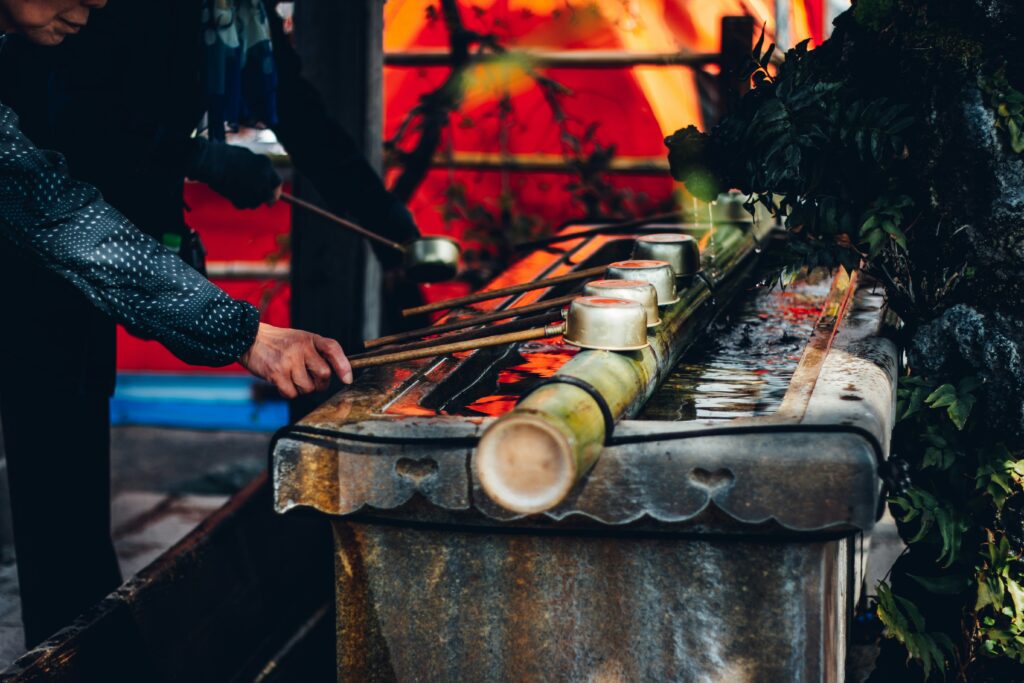
Japan does not have a lot of hidden rules, but it does have strong cultural etiquette based on respect and consideration. Simple habits like being quiet on public transport, removing shoes indoors, and washing before entering an onsen are common. That is why Kunji Travel always arranges an introduction tour at the beginning of your trip, so you can learn key cultural customs before fully immersing yourself in Japan.
Do people speak English in Japan?
English is not widely spoken fluently in Japan, but it is commonly used in major cities and tourist areas. You will usually find English signage at train stations, English menus in many restaurants, and hotel staff who can assist you. Even when English is limited, Kunji Travel helps you plan a well-organized Japan itinerary, so you can focus on meaningful cultural exchange instead of worrying about directions or logistics.
More questions about Japan?
No fixed plan needed — tell us what you have in mind and we're happy to think it through with you, free of charge.
Contact Us
